Massive Supply Chain Delays After Hormuz Conflict — What’s Next?
With oil tankers stalled and shipping routes blocked, the Hormuz conflict is reshaping global supply chains. Find out what this means for the world economy and global supply chain.
NEWS
4/10/20261 min read
Shipping Traffic Drops Sharply
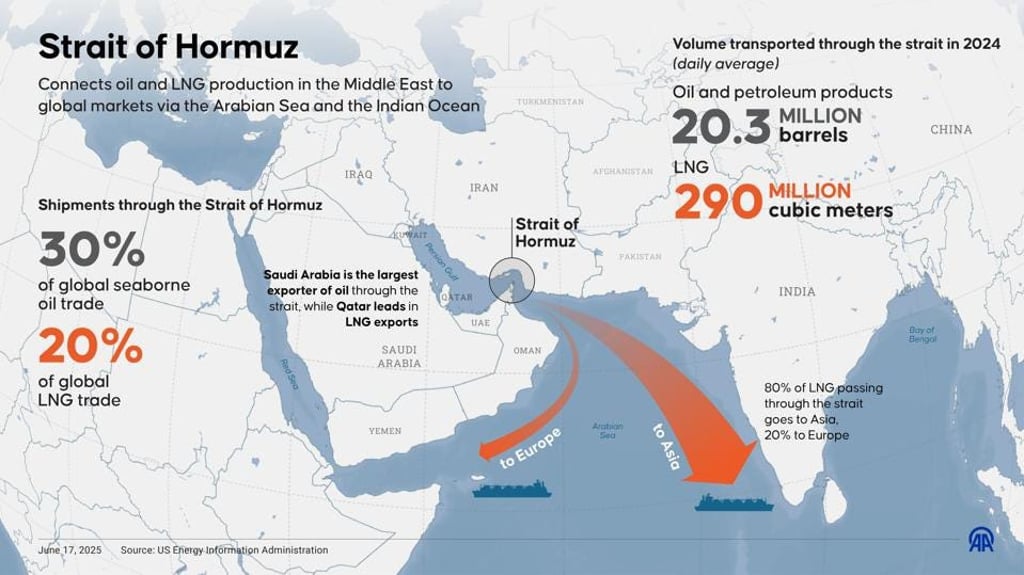
After recent military conflict in the region, most major shipping lines halted their operations through the strait. Tanker traffic fell dramatically, at one point dropping by nearly 90%, leaving dozens of vessels waiting outside the Gulf.
Even with a temporary ceasefire in place, only a small number of ships are currently being allowed through under close monitoring.
Oil and Gas Markets Hit Hard
Because the region supplies a significant share of global oil, the slowdown has immediately pushed fuel prices higher. Countries relying on Gulf oil — including India, Japan, and many in Europe — are seeing increased import costs.
LNG shipments have also been affected, tightening supply for industries that depend on natural gas.
Impact on Fertilizers and Food Production
The Gulf countries export large volumes of fertilizers such as urea and ammonia through the strait. With shipments stuck, many agricultural economies are worried about higher fertilizer prices, which could lead to increased food production costs later this year.
Delays and Rising Costs Across Global Logistics
Logistics companies report:
Longer transit times
Increased insurance and freight charges
Rerouting of vessels through longer, more expensive routes
These issues are beginning to affect supply chains for technology products, pharmaceuticals, machinery, and everyday consumer goods.
Countries Respond to the Crisis
India and other major importers are in direct talks with Gulf nations to speed up the movement of stranded oil carriers. Exporters around the world remain cautious, warning that the situation is still unstable even though traffic has restarted in limited numbers.
What This Means Going Forward
Experts say that if the disruption continues:
Global fuel prices may stay high
Manufacturing timelines could extend
Consumer goods may become costlier
Trade recovery could take months, even after normal shipping resumes
The Strait of Hormuz crisis has once again highlighted how vulnerable global trade is to disruptions at key shipping chokepoints.